Commercial rubbish clearance for Queens Park shops and offices
If you run a shop, cafe, salon, studio, or office in Queens Park, rubbish has a way of building up quietly and then all at once. One day it is a few broken boxes and some packaging. The next, you are staring at old shelving, worn-out office chairs, or a back room that feels more like a storage problem than a workspace. Commercial rubbish clearance for Queens Park shops and offices is the practical answer when you need waste removed quickly, properly, and without disrupting the day-to-day flow of business.
This guide explains what commercial clearance involves, how the process usually works, the main benefits, and the mistakes businesses often make when they try to handle it in-house. You will also find a comparison table, a useful checklist, and a straightforward FAQ section for the questions people actually ask. No fluff. Just clear, local, business-friendly advice.
Why Commercial rubbish clearance for Queens Park shops and offices Matters
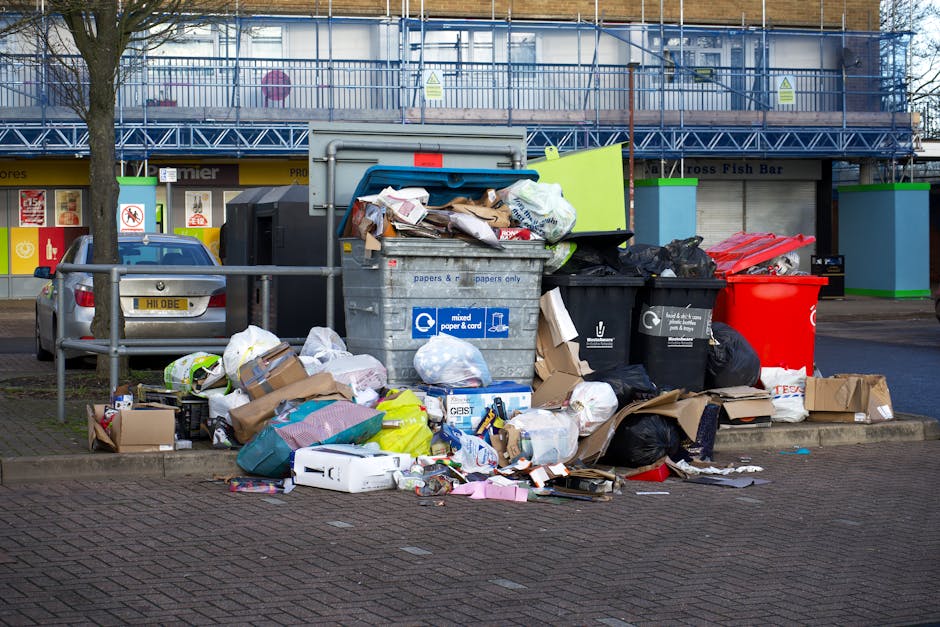
In a busy part of London, waste can become more than an inconvenience. It can affect the way a business looks, how safely people move through the space, and how well the team works. A shop with a pile of broken display materials near the entrance does not just look untidy; it can put customers off. An office with old desks, cardboard stacks, and redundant equipment crammed into corners can make everyday work feel heavier than it should. Truth be told, clutter has a mood of its own.
Queens Park businesses often operate from compact premises, shared buildings, or high-footfall locations where there is limited room to store waste. That makes timing and presentation especially important. Clearance needs to be handled in a way that is efficient, discreet, and respectful of neighbours, staff, and customers. That is where professional commercial waste clearance becomes genuinely useful.
There is also the practical side. Commercial waste is not always the same as household rubbish. It can include packaging from deliveries, damaged fixtures, electrical items, confidential paperwork, unwanted stock, and bulky furniture. Some items need special handling, and some should be separated for recycling or disposal in a more controlled way. A good clearance approach reduces the chance of contamination, missed sorting, or unnecessary trips to a disposal site.
For businesses that want a broader overview of waste services, the site's business waste removal page is a useful place to start. If you are clearing a workspace rather than just collecting day-to-day waste, the office clearance service is especially relevant.
How Commercial rubbish clearance for Queens Park shops and offices Works
The exact process varies by provider, but most commercial clearance jobs follow a sensible pattern. The goal is to remove waste quickly while keeping disruption low. In a shop, that might mean clearing stockroom clutter before opening hours. In an office, it may involve removing items after the team has finished for the day so nobody is trying to work around a moving trolley and a stack of boxes. Much easier, frankly.
1. Initial assessment
The first step is usually a discussion about what needs removing. This may include furniture, packaging, appliances, general waste, confidential items, or mixed loads. A clear description helps the team plan the right vehicle, enough labour, and any specialist handling that may be needed.
2. Site access and logistics
Queens Park premises can have tight entrances, narrow stairwells, limited loading space, or shared access with other businesses. A good clearance provider should ask about access in advance. That matters because a small planning mistake can turn a quick job into a frustrating one. You do not want a bulky cabinet wedged halfway through a doorway at 8:30 on a weekday morning.
3. Sorting and loading
Once on site, the team sorts the waste into suitable categories where possible. Reusable items may be separated from recyclable materials and general rubbish. If confidential paperwork or electronic equipment is involved, those items may need secure handling or shredding. If you need that kind of support, the confidential shredding service is worth considering.
4. Responsible disposal
After loading, the waste is taken away for appropriate disposal, recycling, or further processing. For mixed business waste, this often includes recycling where practical and separating anything that needs specialist treatment. If your clearance includes fridges or other bulky white goods, a targeted service such as fridge and appliance removal may be a better fit than a general collection.
5. Final sweep and handover
A decent clearance job should leave the space usable again, not just emptier. That final tidy-up matters more than people think. A clean back room, stock area, or office corner gives you a proper reset, and sometimes that is what the business needs most.
Key Benefits and Practical Advantages
The value of commercial rubbish clearance is not only about getting rid of rubbish. It is about reducing friction in the business. When waste is handled well, people move better, work better, and the whole place feels more in control.
- Faster turnaround: Waste is removed in one planned visit rather than dragged out over several days.
- Less disruption: Commercial teams can often arrange collection around trading hours or quieter periods.
- Better presentation: A tidy shop or office creates a stronger first impression for clients and staff.
- Improved safety: Clear walkways reduce trips, blocked exits, and clutter-related accidents.
- More space: Back rooms and work areas become functional again.
- Better sorting: Recycling and specialist disposal are easier when waste is collected properly from the start.
There is also a subtle benefit: decision fatigue goes down. People stop arguing over where the old shelving should go or whether "we might need that chair later". We have all seen that chair. It is never coming back into use.
For businesses trying to stay organised, clearance is often the reset point that makes other improvements possible. A cleaner environment supports better stock management, easier cleaning, and a more professional feel for customers and employees alike. If you are planning a larger tidy-up that includes furniture, the related furniture clearance and furniture disposal pages may also help.
Who This Is For and When It Makes Sense
This service is a good fit for many Queens Park businesses, especially those with limited storage, regular stock movement, or frequent refurbishment. It is not only for big clear-outs. Sometimes a modest removal makes a real difference.
Shops and retail units
Retail premises often generate packaging, damaged shelving, promotional materials, and end-of-line stock. If you are rearranging the shop floor or clearing out the stockroom before a new delivery, commercial rubbish clearance helps you stay presentable and practical at the same time.
Offices and shared workspaces
Offices tend to collect old chairs, broken printers, archived paperwork, and redundant monitors. Even one awkward corner of unused stuff can make a room feel cramped. Office teams also need to think about data security, so any clearance involving paperwork should be handled carefully.
Hospitality and service businesses
Cafes, salons, clinics, and studios often have a mix of furniture, packaging, small appliances, and consumables. If the job includes worn-out sofas or customer seating, the mattress and sofa disposal page can be a useful reference for bulky soft furnishings too.
Businesses renovating or downsizing
Refits and downsizing projects usually uncover more waste than expected. Old fittings, damaged fixtures, and leftover materials can pile up fast. For construction-related debris, builders waste clearance can be the better route.
When does it make sense? Usually when the waste is too bulky, too mixed, or too time-sensitive for your team to deal with efficiently. If staff are spending a half-day moving rubbish instead of serving customers or handling orders, the maths is pretty simple.
Step-by-Step Guidance
If you want the process to go smoothly, a bit of preparation goes a long way. The best clearances feel almost boring in how organised they are. That is a compliment.
- Walk the space first. Identify everything that needs to go and group it roughly by type: general waste, furniture, electricals, paper, and anything special.
- Flag access issues. Tell the provider about stairs, loading restrictions, opening hours, parking constraints, or shared entrances.
- Separate sensitive items. Keep confidential paperwork, personal data, and anything hazardous away from general waste streams.
- Ask what can be recycled. This helps avoid unnecessary disposal of materials that could be recovered.
- Choose a collection time that suits the business. Early morning, late afternoon, or closed hours often work best.
- Confirm the final scope. Make sure the clearance team knows whether the job includes lifting, dismantling, or moving items from upstairs.
- Do a quick post-clearance check. Once the rubbish is gone, look for stray items, damaged flooring, or anything that needs a follow-up.
A useful rule of thumb: if you would need more than one staff member, more than one vehicle trip, or more than one coffee to get through the task, it is probably worth booking a professional clearance.
For general waste guidance and broader collection support, the waste removal service can sit alongside more specific services depending on what you need removed.
Expert Tips for Better Results
After enough clearances, you start to notice what makes the day easy and what creates avoidable pain. A few small habits help a lot.
- Label what stays and what goes. Even a simple tape marker saves time, especially in shared offices or retail stockrooms.
- Photograph awkward items before collection. It helps everyone prepare for the right equipment and lifting method.
- Keep a clear path to the exit. Don't make the team work around a maze of crates, if you can help it.
- Book before the clutter becomes a fire exit issue. A full back room looks harmless until it starts blocking access and slowing everyone down.
- Plan around delivery days. Nobody wants waste clearance colliding with new stock arriving at the front door.
- Think about reuse. Some items may be suitable for reuse or resale rather than disposal, depending on condition and company policy.
One small but useful tip: if you are clearing several types of waste at once, list them in the order you want them removed. It sounds minor, but it keeps the process tidy and prevents confusion when everyone is standing in the same cramped space trying to be helpful.
If the job includes mixed materials from a refresh or repair, it can help to review what can be accepted before collection. The page on what can go in a skip is useful for understanding common waste categories, even if you are not hiring a skip.
Common Mistakes to Avoid
Commercial waste jobs can go sideways in predictable ways. Most of the problems are preventable.
- Underestimating the volume: A small-looking pile often expands once it is broken down.
- Not mentioning access limitations: Tight stairs, parking restrictions, and loading bays matter more than people expect.
- Mixing everything together: Mixed loads are harder to process and may reduce recycling opportunities.
- Forgetting confidential material: Paper files and devices need separate thought.
- Leaving it too late: If clutter is already affecting trading or safety, waiting another month rarely helps.
- Assuming all bulky items are handled the same way: Appliances, furniture, and hazardous items can each need different handling.
Let's be honest, the biggest mistake is usually this: "We'll sort it next week." Then next week becomes next month, and the back room starts to develop its own ecosystem.
If your premises contain hard-to-dispose items, it is worth checking the relevant specialist pages such as hazardous waste disposal or fridge and appliance removal before you book.
Tools, Resources and Recommendations
You do not need a complicated system to prepare for commercial rubbish clearance. A few simple tools are usually enough.
- Sticky labels or marker tape: Good for marking keep, remove, recycle, and shred.
- Basic inventory list: Even a rough list helps the collection team plan.
- Mobile phone photos: Handy for awkward items, basement access, stairwells, or loading points.
- Checklist for staff: Useful if more than one person is involved in clearing the area.
- Secure bags or boxes: Best for confidential paper and smaller loose items.
For businesses that are comparing clearance methods, it can help to review service pages that match your needs. For example, an office fit-out may need office clearance, while a premises refurbishment may lean more toward builders waste clearance. Choosing the right category keeps things efficient and avoids paying for the wrong kind of help.
If you need reassurance about business standards and who you are dealing with, the site's about us page and insurance and safety information can help you assess the service more confidently.
Law, Compliance, Standards, or Best Practice
Commercial waste in the UK needs to be handled carefully and sensibly. Exact duties can vary depending on the type of waste, the premises, and the organisations involved, so it is always wise to treat compliance as a practical issue rather than a box-ticking exercise.
For businesses, the key point is that waste should be stored, transferred, and disposed of responsibly. If the waste includes confidential documents, electrical equipment, appliances, or any potentially hazardous material, the handling needs to be more controlled. That includes knowing what should be separated, what can be recycled, and what needs specialist disposal.
Best practice usually means:
- keeping waste streams separated where possible
- avoiding fly-tipping and unlicensed disposal routes
- protecting personal and business data before disposal
- making sure staff are not exposed to unnecessary lifting or sharp items
- choosing a provider that takes safety and responsible disposal seriously
If your business has a formal health and safety process, it is sensible to align the clearance with it. The page on health and safety policy gives a useful sense of how the provider approaches risk. For businesses that care about disposal ethics and broader environmental responsibility, recycling and sustainability is also a relevant read.
There is no need to overcomplicate things, but there is a clear line between a tidy, well-managed clearance and a careless one. In practice, the careful route tends to save time later. Funny how that works.
Options, Methods, or Comparison Table
Business waste can be handled in more than one way. The right option depends on volume, urgency, access, and the kind of rubbish involved.
| Method | Best for | Strengths | Trade-offs |
|---|---|---|---|
| Scheduled business waste collection | Ongoing everyday rubbish | Predictable, regular, easy to budget for | Not ideal for bulky or one-off clear-outs |
| Commercial rubbish clearance | Mixed, bulky, or time-sensitive waste | Fast, flexible, good for one-off jobs | Less suited to tiny, routine waste only |
| Office clearance | Desks, chairs, IT equipment, files | Designed for workplaces and refurbishments | May not cover all non-office waste types |
| Builders waste clearance | Fit-outs, refurbishments, light construction debris | Handles post-project mess efficiently | Not the best fit for general shop waste |
| Skip hire | Longer projects with space on site | Useful if you can load waste gradually | Requires space, permits may matter, and lifting is on you |
For many Queens Park businesses, the best choice is a direct clearance service rather than leaving waste in a skip for days. That is especially true if you are short on space or need the work finished in one visit. If you want to compare budgeting and expectations, the pricing and quotes page is the sensible next stop.
Case Study or Real-World Example
Picture a small independent shop near Queens Park. The owner has been stacking broken display units, cardboard, old signage, and a couple of damaged shelves in the stockroom for weeks. It starts as "temporary storage" and slowly becomes the sort of room you do not want to open unless absolutely necessary.
They book a clearance for early morning before the shop opens. The team arrives, confirms the items, checks access to the rear, and removes the bulky bits first so the room opens up quickly. Cardboard goes separately, old furniture is dealt with properly, and the floor is left clear enough for the owner to reorganise stock that same afternoon. The whole thing takes less mental energy than expected, which is often the real win.
Now, the nice part: the owner is not just tidier. They can restock faster, clean the area properly, and stop worrying about the room every time they walk past it. A small operational problem gets out of the way. That matters more than people think, especially in a compact business where every square metre counts.
Practical Checklist
Use this checklist before booking commercial rubbish clearance for Queens Park shops and offices.
- List everything that needs removing.
- Separate bulky items, general rubbish, and any confidential material.
- Check access routes, stairs, parking, and opening hours.
- Identify anything hazardous or specialist.
- Choose a collection time that causes the least disruption.
- Confirm whether dismantling or lifting assistance is needed.
- Ask about recycling and responsible disposal.
- Prepare staff so nobody keeps using the area during the collection window.
- Do a final sweep after the job is done.
- Keep a note of what was removed for your records.
Quick takeaway: the more clearly you prepare, the smoother, faster, and less stressful the clearance will be. Simple as that.
Conclusion
Commercial rubbish clearance for Queens Park shops and offices is really about more than waste. It is about keeping the business usable, safe, presentable, and ready for work. Whether you are clearing a stockroom, refreshing an office, or dealing with a one-off build-up after a busy period, the right service helps you regain order without turning the day into a logistics project.
Choose the service that fits the type of waste, prepare the site properly, and keep an eye on access, safety, and any specialist items. Do that, and the process becomes far less painful than most people expect. In fact, it can feel like a proper reset. And sometimes that is exactly what a Queens Park business needs.
Get a free quote today and see how much you can save.
Frequently Asked Questions
What is commercial rubbish clearance for shops and offices?
It is a professional service for removing business waste such as bulky rubbish, furniture, packaging, fixtures, and office clutter from commercial premises. It is usually arranged around your operating hours so disruption stays low.
How is commercial rubbish clearance different from regular waste collection?
Regular waste collection is for ongoing, routine rubbish. Clearance is better for one-off jobs, bulky items, mixed loads, or when a business needs a lot of waste removed quickly and in one go.
Can office clearance include confidential paperwork?
Yes, but confidential paperwork should be handled separately and securely. If documents contain sensitive information, it is sensible to use a secure shredding service rather than mixing them with general waste.
What kinds of items are usually removed from shops and offices?
Common items include old desks, chairs, shelving, stockroom waste, packaging, broken fixtures, appliances, signage, and redundant IT equipment. Some items may need specialist handling depending on what they are.
Do I need to sort everything before booking a clearance?
Not always, but a basic sort helps. Separating general rubbish, recyclables, confidential items, and anything hazardous makes the job faster and more efficient. It also reduces the chance of things being missed.
How much disruption should I expect?
Usually not much if the job is planned properly. Many commercial clearances can be arranged before opening, after closing, or during a quieter part of the day. Good access and clear instructions make a big difference.
What if my premises have narrow stairs or awkward access?
That is common in London buildings, and it is worth mentioning before booking. Access details help the clearance team plan the right people and equipment so the work stays safe and efficient.
Can bulky furniture be taken away too?
Yes. Office desks, chairs, cabinets, retail display furniture, and similar items are often part of commercial clearance jobs. If the items are especially large or condition-sensitive, a furniture-specific service may be helpful.
Is commercial rubbish clearance suitable for a refurbishment or fit-out?
Absolutely. Refits, shop updates, and office changes often create a mix of rubbish, old fittings, and construction debris. In those cases, builders waste clearance or office clearance may be the most suitable option.
What should I do with old appliances or fridges?
Appliances and fridges should be handled separately because they can require specialist removal. It is better to flag them in advance rather than leave them in a general pile of rubbish.
How do I know if a waste item is hazardous?
If an item contains chemicals, sharp contaminants, pressurised components, or materials that could be harmful if handled wrongly, it should be treated with caution. When in doubt, ask before collection rather than guessing.
Where can I learn more about pricing and booking?
The most useful next step is to review the site's pricing information and then arrange a booking or enquiry once you know what needs removing. A clear description of the waste usually leads to a more accurate quote.