Commercial Waste Removal Queens Park — Health & Safety Policy
This Health and Safety Policy sets out the commitments and procedures that govern our commercial rubbish removal services in and around Queens Park. It applies to all staff, contractors and visitors engaged in commercial waste collection, skip hire and related rubbish clearance activities. The aim is to prevent injury, protect health and safeguard the environment while delivering effective waste management and disposal. All personnel must understand that safety is a core operational priority and that adherence to this policy is mandatory.Scope and Responsibilities
The policy covers operational delivery for commercial waste collection, waste transfer, and site-based removal of bulk rubbish. The management team is responsible for establishing safe systems of work, providing appropriate equipment and ensuring legal compliance. Supervisors and team leaders must implement safe working practices day to day, and every employee has a duty to follow procedures, report hazards and use provided protective equipment. Subcontractors and temporary staff are required to meet the same safety standards as permanent employees.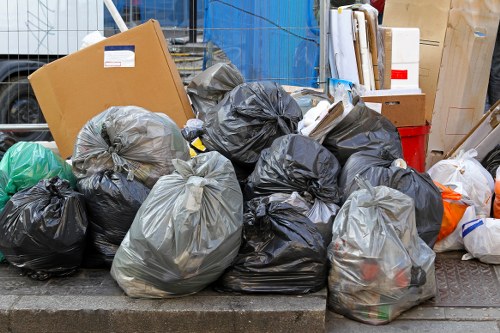
Risk Assessment and Safe Working
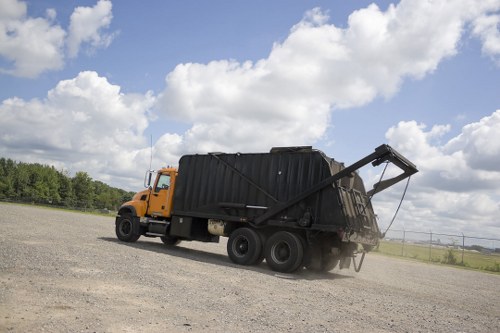
All planned operations involving commercial rubbish collection and waste disposal begin with a documented risk assessment. Assessments identify hazards associated with manual handling, vehicle movements, falling loads, sharps and hazardous substances. Control measures include mechanical aids for lifting, exclusion zones around loading operations, regular vehicle checks and enforced use of personal protective equipment (PPE). Training on manual handling and vehicle safety is provided regularly to reduce incidents and ensure consistent safety performance.Contractors and drivers must follow written safe operating procedures for loading, transporting and unloading waste, including secure load protocols and traffic management on site. Maintenance schedules for collection vehicles, compactors and lifting equipment are implemented to prevent mechanical failures. A permit-to-work approach is used where risks are higher, such as confined space entry or working at height on larger waste containers. Emergency stop procedures and clear communication channels are part of routine operations.
 Waste segregation and identification are mandatory on all commercial rubbish jobs: general refuse, recyclable materials, construction and demolition debris, and any potentially hazardous items must be segregated at source where possible. Hazardous waste such as chemicals, asbestos or contaminated soil must be identified and managed under separate controls with specialist handling and licensed disposal routes. Records of waste transfer and disposal are kept to demonstrate responsible waste management and regulatory compliance.
Incident reporting and investigation protocols are in place to ensure lessons are learned and corrective actions are implemented. First aid provisions, emergency contact lists and spill kits are maintained at operational depots and on vehicles. Staff are trained in emergency response and the reporting chain is clear: immediate response, secure the scene, provide first aid, report to management and record the event in the incident log.
 Supervision, training and competence are central to reducing workplace risk. New starters receive induction training covering safe use of equipment, manual handling and the company's waste transfer procedures. Ongoing competency checks and toolbox talks reinforce safe behaviours. Training is documented, and refresher sessions are scheduled periodically to align with changes in procedures, new equipment, or updated regulatory requirements for rubbish removal and commercial waste services.
Key elements of the operational safety program include:
- Vehicle and plant maintenance records to ensure roadworthiness and safe lifting operations;
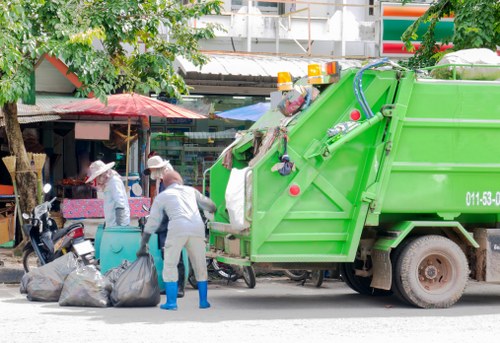
- Use of appropriate PPE such as hi-vis clothing, gloves, eye protection and respiratory protection when handling dusty or chemical-laden waste;
- Controlled access to working areas with clear signage and barriers to protect the public and site workers;
- Regular risk assessments and site inspections to identify hazards and close out actions swiftly.
 Policy review and continuous improvement: Management will review this policy annually or after any significant incident, change in legislation or operational change. Performance is monitored through safety audits, near-miss reporting and key performance indicators that track incident rates and training completion. Non-compliance is addressed through corrective actions, and persistent failures may result in disciplinary measures. This policy is endorsed by senior management and is the basis for the company’s approach to safe commercial rubbish collection and waste disposal across the service area.
