What to know about Brent Council rules for Queens Park rubbish
If you live, work, or manage property in Queens Park, rubbish disposal can become surprisingly awkward very quickly. One missed collection, one broken wardrobe left on the pavement, and suddenly you are dealing with council rules, neighbour complaints, or a fine you really did not want. That is why understanding What to know about Brent Council rules for Queens Park rubbish matters. It is not just about putting waste out on the right day; it is about knowing what Brent Council expects, what counts as fly-tipping, what should be recycled separately, and when a private clearance service makes more sense.
In this guide, we will unpack the basics in plain English, explain the practical steps, and help you avoid the common mistakes that catch people out. If you have a flat clearance, a small office move, builder's rubble, or just too much household clutter, you will find a sensible path through it all. Let's face it, most people do not spend their evenings reading council waste guidance for fun.
- Why it matters
- How it works
- Key benefits and practical advantages
- Who this is for and when it makes sense
- Step-by-step guidance
- Expert tips for better results
- Common mistakes to avoid
- Tools, resources and recommendations
- Law, compliance, standards, or best practice
- Options, methods, or comparison table
- Case study or real-world example
- Practical checklist
- Conclusion
- Frequently asked questions
Why What to know about Brent Council rules for Queens Park rubbish Matters
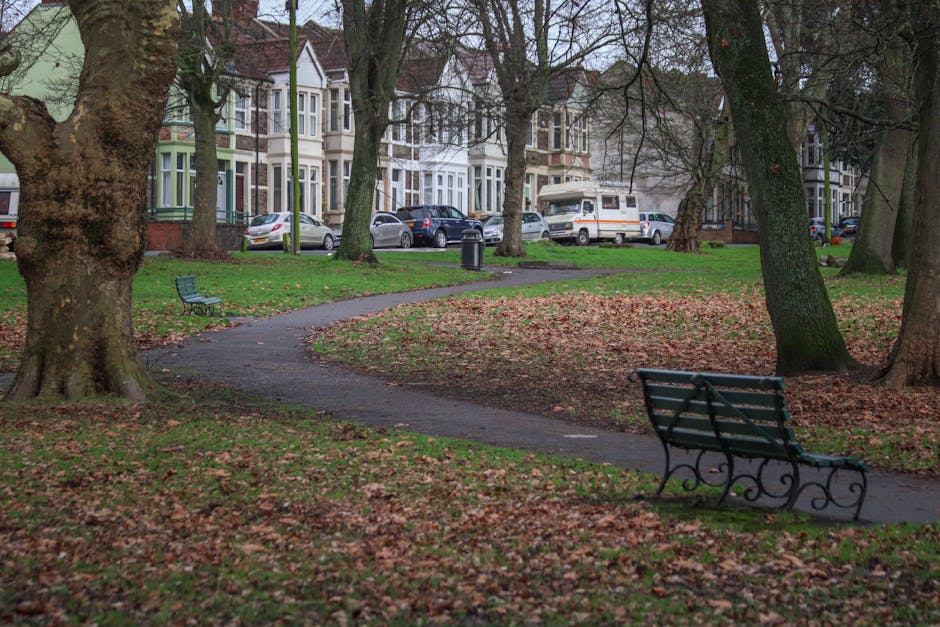
Queens Park sits in a busy part of north-west London, where streets are narrow, parking is limited, and waste can become visible very fast. A single black bag left out too early, a sofa leaning against a wall, or construction waste piled beside a building can cause a problem for everyone on the street. Brent Council rules are there to keep public areas safe, tidy, and accessible. That sounds simple enough, but in day-to-day life the details can be fiddly.
For residents, the rules matter because incorrect disposal can lead to collection refusal, nuisance, or enforcement action. For landlords and managing agents, they matter because blocked bin stores and poor waste handling can create complaints quickly. For businesses, there is also the practical question of storage, duty of care, and whether the waste is even household-type rubbish or commercial waste that needs a different approach.
There is another side to this too. When waste is sorted properly, it is easier to recycle, easier to move, and cheaper to remove in many cases. You get less mess, fewer delays, and far less stress. Truth be told, good waste habits are one of those invisible things that make a property feel calm and well run.
How What to know about Brent Council rules for Queens Park rubbish Works
At a practical level, Brent Council waste rules usually come down to a few core ideas: use the correct containers where provided, present waste only at the permitted time, separate recyclable materials where required, and do not leave bulky items, hazardous materials, or construction debris in the wrong place.
In Queens Park, that often means checking whether your property has access to standard household collections, communal bin storage, or a specific arrangement for flats. Not every address works the same way. A terraced home with a front boundary behaves differently from a converted building with a shared bin yard, and very differently again from a shop, office, or building site.
Typical waste streams need different handling:
- General household rubbish - everyday residual waste such as food packaging, mixed non-recyclable refuse, and small broken items.
- Dry recycling - items like paper, cardboard, tins, cans, glass, and some plastics, depending on local collection rules.
- Food waste - often collected separately where the service is available.
- Bulky waste - furniture, mattresses, white goods, and similar items that do not fit normal collections.
- Garden waste - branches, grass cuttings, and green material if your property uses a garden waste service or alternative disposal route.
- Hazardous or special waste - paint, chemicals, fridges, fluorescent tubes, batteries, or anything that needs careful handling.
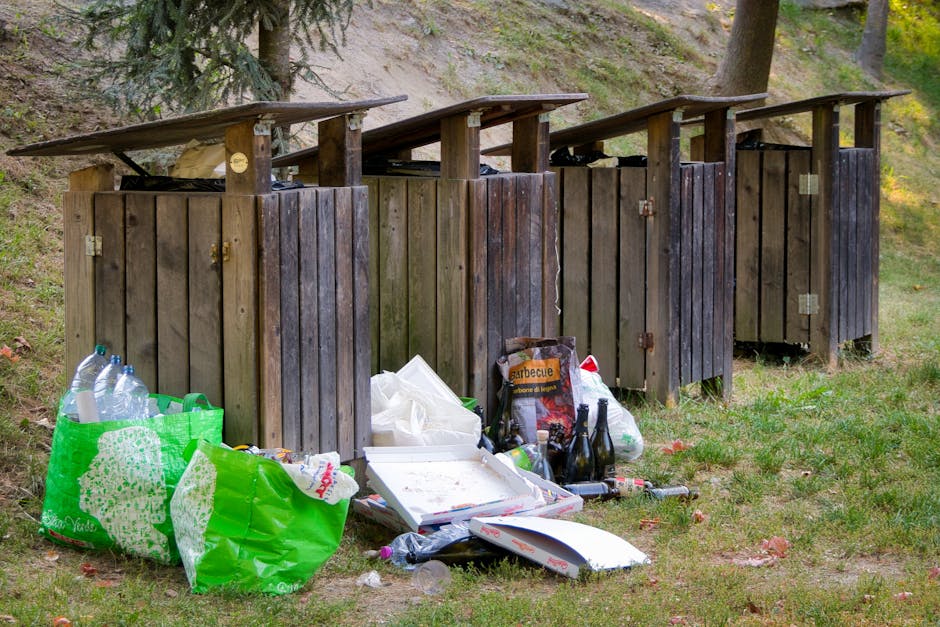
If you are not sure what category something falls into, that uncertainty is often the sign to slow down and check. A lot of problems start with one item that seems harmless but is actually treated as special waste. A half-empty paint tin is a good example. So is an old fridge hiding refrigerant gas, or a bag full of mixed renovation rubble. These are not items to guess at.
For larger clearances, many people also compare council-led disposal with private options such as waste removal or more specific services like furniture disposal. That is usually where convenience, speed, and the type of waste start to matter a lot.
Key Benefits and Practical Advantages
Understanding the local rules is not only about compliance. It also makes the whole process more efficient. The biggest benefit is simple: fewer mistakes. When you know where your rubbish should go, what can be mixed, and what must be separated, you waste less time shuffling bags around the house or trying to squeeze a chair into a general bin that was never going to accept it anyway.
Other practical advantages include:
- Cleaner streets and entrances - particularly important in Queens Park where front-facing properties are common.
- Lower risk of council enforcement - especially for items left out in the wrong place or at the wrong time.
- Better recycling outcomes - which is better for the environment and, frankly, easier to manage.
- Less neighbour friction - nobody enjoys stepping around an abandoned mattress on a Friday morning.
- Improved planning - you can book the right collection, van, or clearance service the first time.
There is also a hidden benefit: space. If you are clearing a flat, garage, loft, or office, rubbish tends to grow in piles faster than you expect. One corner becomes two. Two becomes the whole hallway. Once you start sorting things properly, the room opens up almost immediately. It can be a relief, honestly.
Who This Is For and When It Makes Sense
This topic matters to more people than you might think. Of course, it is relevant to residents who simply want to get rid of household rubbish correctly. But it is just as relevant to landlords, tenants, estate agents, shop managers, small office teams, builders, decorators, and anyone who has to leave a property tidy for the next user.
It makes particular sense if you are dealing with any of these situations:
- moving out of a flat or house in Queens Park
- clearing out a loft, garage, cellar, or storage room
- disposing of broken furniture, mattresses, or appliances
- managing waste after a refurb or minor building job
- preparing a rental property for new tenants
- tidying a workplace, back office, or shop stockroom
For small jobs, council collection routes may be enough. For awkward, heavy, urgent, or mixed loads, a private clearance may be more sensible. If you need a broader service for household waste, home clearance and house clearance can be useful options because they handle the messy middle ground between everyday rubbish and a proper property clearance.
And yes, timing matters. If the waste is already causing an obstruction, smells, or is attracting vermin, you probably need a faster solution than a standard collection slot. That is just real life.
Step-by-Step Guidance
If you want to deal with rubbish in Queens Park without creating extra hassle, use a simple process. The key is to sort first and decide second. Not the other way around.
- Identify the waste type. Separate general rubbish, recycling, food waste, bulky items, and anything hazardous or electrical.
- Check the property setup. Find out whether you have individual bins, communal storage, a landlord-managed arrangement, or a business waste contract.
- Remove forbidden items from mixed piles. Fridges, chemicals, paint, batteries, plasterboard, and similar materials should not be dumped casually with normal rubbish.
- Decide on the disposal route. Use council collection, a bulky item service, a skip where appropriate, or a private clearance depending on volume and urgency.
- Prepare waste properly. Bag loose rubbish, flatten cardboard, keep sharp items secure, and do not overfill containers.
- Place waste out correctly. Follow the permitted day and location rules carefully. This is where many people slip up.
- Document anything unusual. For landlords, managers, and businesses, keep a brief record if you used a licensed disposal route or handled specialist waste.
For building-related waste, the rules become more sensitive, because rubble, timber, tiles, and plaster can all be treated differently from household rubbish. If that sounds familiar, the guidance on builders waste clearance can help you understand how to approach the heavier end of the job.
One practical tip: do not wait until the evening before a collection to discover you have a pile of mixed waste that needs sorting. That is how a simple task turns into a small ordeal at 8:45 p.m., with dust in your shoes and nowhere to put the old drawer unit.
Expert Tips for Better Results
In our experience, the easiest waste jobs are the ones that get a little thinking upfront. Here are a few habits that make a real difference.
- Sort by material, not by room. A bedroom clear-out often contains textiles, wood, metal, paper, and electricals all in one pile.
- Keep hazardous items separate from day one. Even one leaking tin or broken fluorescent tube can complicate the whole load.
- Break bulky items down safely. Flat-pack furniture, dismantled bed frames, and loose shelving are much easier to move.
- Watch access routes. In Queens Park, tight stairwells and limited parking can matter more than the waste itself.
- Use the right specialist service. For example, mattress and sofa disposal is often more practical than trying to force soft furnishings into a generic bin solution.
Another quiet win is choosing the right time of day. Morning collections are often less stressful because the street is calmer, neighbours are less likely to be passing through, and you can still fix a problem before the day gets away from you. Small thing, but it helps.
Finally, be realistic about your own time and energy. Clearing rubbish is rarely glamorous. If you are already juggling work, family, or a move, it can be worth handing the whole thing over to a team that knows the local constraints.
Common Mistakes to Avoid
Most rubbish problems in Queens Park are not dramatic. They are ordinary mistakes made quickly and repeated too often. The good news? They are easy enough to avoid once you know what to look for.
- Leaving waste out too early. This is one of the quickest ways to trigger complaints or enforcement attention.
- Using the wrong bin. Mixed recycling in general waste, or general rubbish in recycling, can create contamination problems.
- Ignoring bulky item rules. A chair, sofa, or wardrobe is not just "bigger rubbish". It often needs a different route.
- Assuming everything can go together. Electricals, appliances, and hazardous waste often need special handling.
- Blocking pavements or entrances. Even temporary obstruction can become a complaint very fast.
- Forgetting business obligations. Commercial waste has different expectations, and that matters in offices, shops, and shared buildings.
One mistake we see often is the "I'll sort it later" pile. It begins with one bag, then a box, then a broken stool, and suddenly the landing looks like a recycling centre that has given up. A bit cheeky, but true.
For office or retail settings, the problem is often not volume but consistency. If you are handling confidential paperwork, packaging, or old desk furniture, services such as office clearance and confidential shredding can keep things tidy and reduce risk.
Tools, Resources and Recommendations
You do not need a huge toolkit to manage rubbish properly, but a few simple items can make the job smoother.
- Heavy-duty rubble sacks for mixed household waste and light renovation debris
- Marker labels to separate items for recycling, reuse, or disposal
- Gloves and sturdy footwear for lofts, gardens, garages, and builder-style clearances
- A tape measure for bulky items that need to fit down stairs or into a vehicle
- Basic inventory notes for landlords, agents, and businesses
From a service perspective, it helps to compare the type of waste with the right disposal route. If you are dealing with old sofas, chairs, or tables, furniture clearance may be the cleanest answer. If appliances are involved, especially awkward ones, the specialised route through fridge and appliance removal can be more appropriate.
If your waste includes garden clippings, soil, and branches after a weekend tidy-up, a dedicated garden clearance service may save you several trips and a fair bit of backache. For everyone who has ever tried to cram hedge cuttings into a small car boot, you already know the feeling.
There are also supporting pages worth knowing about if you want to plan properly: pricing and quotes for budgeting, and recycling and sustainability if you want to reduce the amount sent for disposal.
Law, Compliance, Standards, or Best Practice
Waste handling in the UK is not just a matter of tidiness. There are legal duties around proper disposal, avoiding fly-tipping, and using appropriate carriers for waste removal. In plain English, if you give waste to someone else, you need confidence that it is being handled properly. That applies whether you are a homeowner, a landlord, or a business.
For Queens Park residents, the most important practical points are:
- do not dump waste in public places
- do not place waste where it obstructs highways or footpaths
- keep recyclables separate where required
- handle special waste separately
- use a responsible disposal route for larger or mixed loads
Businesses should be especially careful. Office waste, trade waste, and commercial clearances can involve different duties from ordinary household rubbish. Records, invoices, and proof of disposal are sensible best practice, even when the job seems small. A tidy paper trail is not exciting, but it can be useful later.
Best practice also includes safety. For heavy lifting, broken furniture, glass, sharps, and appliance removal, proper handling matters. A clear process, suitable transport, and insured staff reduce the chance of injury or damage. If you want a closer look at the standards a professional team should follow, the pages on health and safety policy and insurance and safety are worth reviewing.
Options, Methods, or Comparison Table
Choosing the right rubbish solution depends on quantity, urgency, and the type of waste. Here is a simple comparison to help you think it through.
| Method | Best for | Pros | Watch-outs |
|---|---|---|---|
| Council collection | Routine household rubbish and approved collections | Simple, familiar, often cost-effective | Time slots, item limits, and strict presentation rules |
| Bulky waste route | Single or small numbers of large items | Good for sofas, mattresses, and furniture | Not always ideal for mixed or urgent clearances |
| Skip hire | Medium to larger clearances with room to store a skip | Handy for ongoing jobs | Space, permits, and what can go in a skip all need checking |
| Private waste removal | Mixed, heavy, urgent, or awkward waste | Fast, flexible, often includes lifting and loading | Choose a proper, transparent service and confirm what is included |
If you are not sure what fits best, the guidance on what can go in a skip is a helpful starting point, especially if your waste is a mix of household items and renovation debris. A lot of people think skip rules are obvious, then discover the hard way that they are not.
Case Study or Real-World Example
Consider a typical Queens Park flat clear-out. A tenant is moving out on a Friday, the deposit handover is on Monday morning, and there is a pile of mixed items in the hallway: an old bookshelf, two black bags of general waste, a broken desk chair, packaging from flat-pack furniture, and a small appliance that no one wants to claim. Nothing dramatic. Just messy.
The first instinct is often to push it all out together and "deal with it later". That usually creates problems. The sofa blocks the entrance, the boxes spill, and the appliance is left standing by the wall because nobody is sure what it is. Instead, the better approach is to separate the load immediately: general rubbish in bags, recyclable cardboard flattened, furniture grouped together, and the appliance flagged as specialist waste.
In this kind of scenario, a private clearance can save time and reduce stress, especially if stairs, parking, or access are awkward. A service such as flat clearance is particularly useful where the property is on an upper floor and waste needs to be removed quickly and carefully. If the same move also involves removing spare beds, an old sofa, or bedroom furniture, then mattress and sofa disposal may be the cleaner route.
What makes the difference here is not speed alone. It is the combination of knowing the rules, sorting the materials, and choosing the simplest legal option. Once that happens, the job stops feeling like a crisis and starts feeling manageable. Which, to be fair, is exactly what most people want.
Practical Checklist
Use this checklist before you put out rubbish or book a removal:
- Have I identified the waste type correctly?
- Do I know whether it is household, recycling, bulky, garden, or hazardous waste?
- Have I separated items that need special handling?
- Do I know the collection day, access point, and time window?
- Will the waste block pavements, entrances, or communal areas?
- Do I need a council route, skip, or private clearance?
- Have I checked whether furniture, appliances, or builders waste need specialist treatment?
- Is the quantity too large for normal bags or bins?
- Have I considered recycling and reuse before disposal?
- Do I need proof of disposal for a landlord, agent, or business record?
If you can tick most of those off without hesitation, you are probably in good shape. If not, stop and sort the pile first. It saves time in the end.
Get a free quote today and see how much you can save.
Conclusion
Understanding Brent Council rules for Queens Park rubbish is mostly about making good decisions early. Sort the waste, know what counts as bulky or hazardous, respect collection timings, and avoid leaving items where they create nuisance or obstruction. That simple approach prevents most of the headaches people run into.
For everyday household rubbish, council services may be enough. For furniture, appliances, loft clearances, office waste, or building debris, a private clearance service can be the quicker and less stressful route. The best choice is the one that matches the waste, the access, and the urgency. Nothing fancy. Just practical.
If you are facing a cluttered room, a full flat, or a rubbish pile that has quietly become a bigger job than expected, take a breath and work through it one step at a time. The mess is temporary. A tidy space has a way of giving you your head back.
Frequently Asked Questions
What is the main thing to know about Brent Council rules for Queens Park rubbish?
The main thing is that rubbish must be sorted, presented correctly, and disposed of using the right route. General waste, recycling, bulky items, and hazardous materials are not treated the same way.
Can I leave rubbish out on the pavement in Queens Park?
Only if it is allowed under the relevant collection rules and timing. Leaving waste out too early or in the wrong place can cause obstruction and may lead to enforcement issues.
What counts as bulky waste?
Bulky waste usually includes large items such as sofas, beds, wardrobes, mattresses, and appliances that do not fit into standard household bins.
Can I put broken furniture with normal rubbish?
Usually not if it is large or awkward. Broken furniture often needs a separate bulky item route or a clearance service, especially if it is too large for standard collections.
What should I do with old appliances or fridges?
Appliances should be handled separately, and fridges are especially important because they may contain refrigerants or other components that require specialist treatment.
Is builder's rubble treated differently from household rubbish?
Yes. Builders waste such as rubble, plaster, tiles, and timber usually needs a separate disposal approach because it is heavier, messier, and often not accepted in general household collections.
What if I live in a flat with shared bins?
Shared-bin properties often have tighter rules about storage, access, and presentation. Waste should not block communal areas, and bulky items usually need advance planning.
How do I know whether to use council collection or a private service?
If the waste is small, routine, and fits the collection rules, council services may be enough. If it is mixed, urgent, heavy, or awkward to move, a private clearance can be more practical.
Do businesses in Queens Park need different waste arrangements?
Often yes. Business waste, office clearances, and trade waste typically need more structured handling than household rubbish, along with proper records and reliable collection.
What is the safest way to deal with hazardous items?
Keep hazardous items separate and use a proper specialist route. Do not mix chemicals, batteries, or other risky materials with normal refuse.
Can I reduce costs by separating waste properly?
Usually, yes. Clean separation can make collections simpler, reduce the amount of waste sent for general disposal, and avoid the problems caused by contamination or missed items.
Where can I get help if my rubbish problem is bigger than expected?
If the job is turning into more than a quick tidy-up, look at the relevant clearance service, compare your options, and choose the approach that fits the waste rather than forcing everything into one solution.